
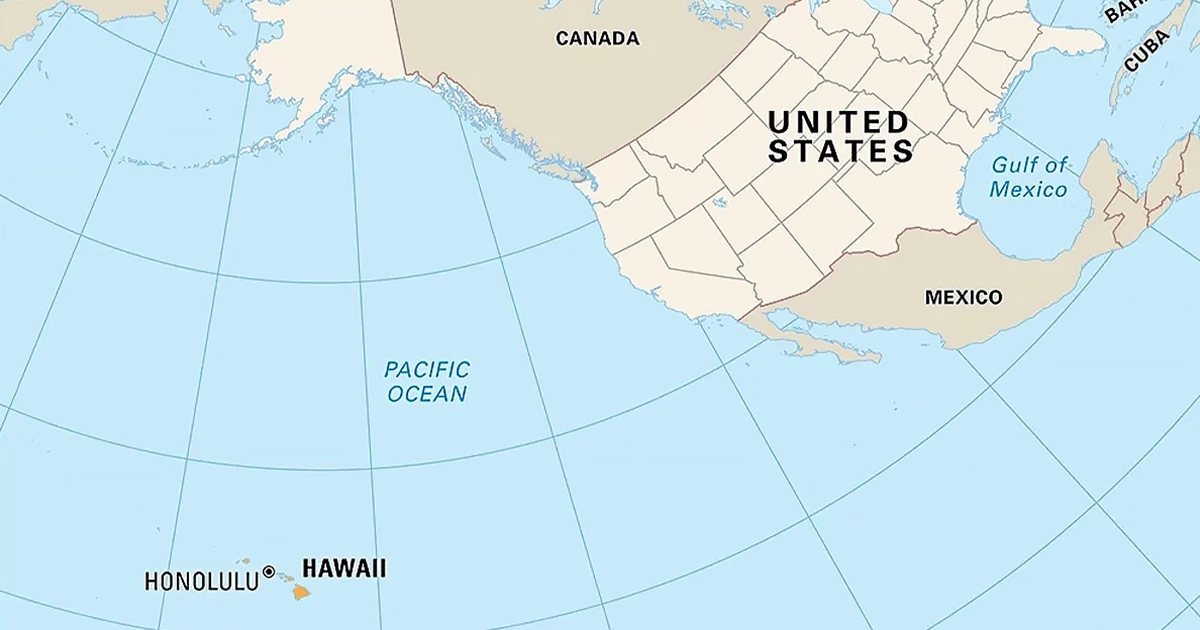
Buying gold from Hawaii, United States of America offers investors, collectors, and international buyers access to physical precious metals in a regulated and transparent market backed by U.S. federal law. Hawaii — known for its unique island economy and vibrant commerce in urban centers like Honolulu, Hilo, and Kailua — supports bullion dealers, coin shops, jewelry retailers, and online bullion sellers who serve both local residents and out‑of‑state buyers.
Whether you are a first‑time gold buyer, a seasoned investor adding diversification to a portfolio, or an international buyer sourcing gold from the United States, understanding how to buy gold in Hawaii requires knowing the available products, pricing mechanics, legal and tax implications, dealer verification, secure storage options, payment methods, resale strategies, investment approaches, associated risks, and best practices.
This in‑depth guide is designed for buyers of all experience levels and provides expert‑level information to help you make smart gold‑buying decisions in Hawaii.
Why Buy Gold in Hawaii
Hawaii’s gold buying market has several strong advantages:
Federal Regulation & Transparency
Gold purchases in Hawaii are protected by federal consumer laws and anti‑money‑laundering (AML) regulations. Licensed dealers must document transactions, provide purity information, and facilitate transparent pricing.
Local Dealer Access
Although Hawaii’s remote geography means fewer local dealers compared to mainland markets, cities such as Honolulu and Hilo host reputable coin dealers and jewelers who handle bullion and coin transactions in person.
National & Online Dealer Options
Buyers in Hawaii can also take advantage of reputable national bullion dealers that offer a wide range of products with insured shipping to Hawaii addresses, expanding options and competitive pricing.
Strategic Investment Potential
Gold is widely regarded as a hedge against inflation, a store of value, and a diversification tool in long‑term portfolios. Hawaii’s buyers can access investment‑grade bullion alongside collectible pieces.
These features create a strong market environment for buying gold with confidence and security.
Types of Gold Products Available
When buying gold in Hawaii, you’ll encounter several primary gold categories tailored to different investment goals:
Gold Bullion Bars
Gold bullion bars are pieces of pure gold refined to high standards — typically .999 or .9999 fine. They are valued mainly for their metal content with minimal decorative or collectible value. Bullion bars are available in sizes from gram increments to 1‑kilogram bars and larger. Because the value is largely based on gold content, bars often have lower premiums per ounce compared to coins.
Government‑Issued Gold Coins
Government bullion coins combine the intrinsic value of gold with legal‑tender status and broad market recognition. Popular options include:
- American Gold Eagle — Highly liquid and widely recognized in the U.S.
- American Gold Buffalo — Contains .9999 fine gold.
- Canadian Gold Maple Leaf — Internationally accepted bullion coin.
- Krugerrand — Popular globally with strong secondary market demand.
Government coins typically carry higher premiums than bullion bars due to minting, limited mintage, and legal‑tender status. However, they are easier to resell due to broader recognition and liquidity.
Gold Rounds
Gold rounds are privately minted pieces that resemble coins but do not have legal‑tender status. They usually carry lower premiums than official bullion coins while offering pure gold content, making them an efficient choice for cost‑conscious investors.
Gold Jewelry
Gold jewelry is widely available from Hawaii’s jewelry retailers. However, investment‑oriented buyers often avoid jewelry due to markup for design and craftsmanship. Unless jewelry is specifically priced strictly for metal content, it generally offers lower bullion value compared to bars and coins.
Exchange‑Traded Funds (ETFs) and Paper Gold
For investors who prefer price exposure without physical metal, exchange‑traded funds (ETFs) such as SPDR Gold Shares offer a liquid and tradable alternative that tracks the gold price. These instruments do not convey ownership of physical gold but serve as a convenient investment.
How Gold Pricing Works
Gold pricing available to buyers in Hawaii is based on the global gold spot price, which is the international benchmark price per troy ounce. This spot price changes continuously due to:
- Global supply and demand dynamics
- Currency fluctuations, especially the U.S. dollar
- Inflation expectations
- Geopolitical developments
- Macroeconomic indicators
Dealers then add a premium above the spot price, which reflects:
- Refining and minting costs
- Transportation and insured shipping costs
- Storage and dealer overhead
- Market competition and dealer margin
Premiums vary by product type and size:
- Large bullion bars generally have lower premiums per ounce.
- Smaller bars, rounds, and bullion coins typically carry higher premiums due to manufacturing complexity.
It’s essential to request a transparent pricing breakdown showing the current spot price and the premium before completing your purchase. This transparency helps you compare offers and choose competitive pricing.
Where to Buy Gold in Hawaii
Local Dealers and Coin Shops
Hawaii’s main urban centers host licensed bullion dealers and coin shops where you can inspect products in person:
- Honolulu — The largest market with established bullion and coin dealers
- Hilo — Local dealerships with bullion, coins, and jewelry
- Kailua & Kaneohe — Retail gold sellers and jewelers
- Maui and Kauai — Select dealers and jewelry retailers
Visiting local dealers allows you to verify products firsthand, receive expert guidance, and arrange secure transactions.
National and Online Bullion Dealers
Many Hawaii gold buyers choose to work with reputable national bullion dealers and online precious metals companies that ship insured gold directly to Hawaii. These dealers typically offer:
- Enormous inventory selections
- Transparent pricing tools
- Educational resources on gold investing
- Insured delivery to residential or secure address
Always confirm shipping policies and insurance coverage before purchasing online.
Verifying Dealer Credibility
When choosing a dealer, ensure they:
- Are professionally registered and licensed
- Provide a physical address and verifiable contact information
- Offer product documentation, such as certificates of authenticity or assay purity documentation
- Provide transparent pricing with breakdowns of spot price and premiums
- Maintain positive reviews, testimonials, or Better Business Bureau (BBB) ratings
Avoid dealers who provide vague documentation, lack transparency, or use high‑pressure tactics.
Legal and Tax Considerations in Hawaii
Sales Tax
Hawaii imposes a General Excise Tax (GET) on sales transactions — which may apply to certain purchases such as jewelry. However, investment‑grade bullion (refined bullion bars and qualifying coins) may be exempt from GET in specific circumstances. Always confirm tax treatment with the dealer before purchase.
Federal Tax Implications
Under U.S. tax law, physical gold is generally treated as a collectible. If you sell gold at a profit, federal capital gains tax applies. Maintaining accurate records of:
- Purchase price
- Purchase date
- Dealer documentation and receipts
supports proper reporting and tax compliance.
Anti‑Money‑Laundering Regulations
Large cash purchases typically trigger federal reporting requirements under anti‑money‑laundering (AML) laws. Dealers are required to maintain transaction records and may request identification for higher‑value purchases.
International Buyers
If you are outside the United States and intend to export gold purchased in Hawaii, comply with U.S. customs procedures and the import regulations of your home country. Adequate documentation and advance planning help avoid delays and additional inspections.
Payment Methods
Dealers serving Hawaii buyers commonly accept multiple secure payment methods:
- Bank Wire Transfers — Widely preferred for larger purchases due to security and traceability.
- Certified Checks & ACH Transfers — Secure alternatives accepted by many dealers.
- Debit Cards — Accepted for smaller transactions; credit cards may incur higher processing fees.
- Cash — Some dealers accept cash; federal reporting requirements apply to larger transactions.
Confirm accepted payment methods and any associated fees with your dealer before finalizing your purchase.
Storage Options After Purchase
Once you acquire physical gold, securing it becomes essential. Common storage solutions include:
Home Storage
Storing gold at home in a high‑quality safe with advanced security systems provides immediate access. However, home storage carries higher security risk unless fully secured and insured against theft, fire, or damage.
Bank Safe Deposit Boxes
Safe deposit boxes at financial institutions provide secure off‑site storage. Access is limited to bank hours and policies.
Professional Vault Storage
Professional vault facilities offer high‑security monitoring, climate control, and insurance coverage. This option is ideal for larger holdings and long‑term storage strategies.
Each storage option involves trade‑offs between convenience, cost, and security.
Selling Gold in Hawaii
When selling gold — locally or through national bullion buyers — preparation improves outcomes:
- Bring valid identification
- Present original purchase receipts and documentation
- Provide assay certificates or purity documentation, if available
Dealers examine the gold’s weight and purity before offering a buyback price, typically based on the current spot price minus dealer margins. Gold coins generally carry stronger resale demand than large bullion bars due to divisibility and liquidity.
Comparing buyback quotes from multiple reputable dealers helps ensure competitive pricing and avoids undervaluing your holdings.
Investment Strategies Involving Gold
Gold plays several strategic roles within diversified investment portfolios:
Hedge Against Inflation
Gold often retains value or appreciates during periods of inflation or fiat currency weakness, providing a hedge against purchasing power erosion.
Portfolio Diversification
Financial advisors often recommend allocating 5–15% of a diversified portfolio to precious metals to reduce volatility and enhance risk‑adjusted returns.
Dollar‑Cost Averaging
Purchasing gold at regular intervals — regardless of short‑term price movements — helps spread risk and support long‑term accumulation.
Low‑Premium Bullion Focus
Choosing larger, low‑premium bullion bars maximizes physical gold per dollar invested and is often preferred by long‑term holders.
Understanding macroeconomic indicators — such as inflation expectations, interest‑rate policy decisions, and currency strength — helps inform strategic timing decisions.
Risks and Considerations
Although gold is widely considered a stable store of value, it is not immune to short‑term price volatility. Spot price fluctuations can occur due to changes in economic data, central bank policies, geopolitical events, or investor sentiment.
Dealer fraud and counterfeit products are risks when dealing with unverified sellers. Always verify dealer reputation, obtain documented purity, and request transparent pricing before purchasing.
Ongoing storage and insurance costs should also be factored into long‑term investment planning, as these costs affect net returns over time.
Frequently Asked Questions
Is gold taxable in Hawaii?
Hawaii’s General Excise Tax (GET) may apply to some retail transactions like jewelry. Investment‑grade bullion that qualifies under tax regulations may be exempt. Confirm tax treatment with your dealer.
Do I need identification to buy gold?
Identification is typically required for large cash purchases and compliance with federal AML reporting requirements. Smaller purchases may not require ID.
What type of gold is suitable for beginners?
Many new buyers start with one‑ounce government bullion coins because they are easy to price and widely liquid.
Is buying gold in Hawaii safe?
Yes — provided you verify dealer credentials, secure transparent documentation, and plan secure storage.
Can international buyers purchase gold from Hawaii?
Yes — but compliance with U.S. export and destination‑country import regulations is required.
Conclusion
Buying gold from Hawaii, USA provides a secure, accessible, and well‑regulated way to acquire physical precious metals — whether for investment, diversification, wealth preservation, or collection. With local dealers, access to national bullion sources, clear regulatory protections, and multiple product options, buyers can pursue gold ownership with confidence.
Understanding pricing mechanics, verifying dealer credibility, securing proper storage, and following documented best practices for resale and investment strategy are key to making informed decisions that align with your financial goals. Whether buying bullion bars, government coins, rounds, or collectible pieces, Hawaii’s gold market offers tools and protections needed for responsible gold acquisition.
Leave a Reply